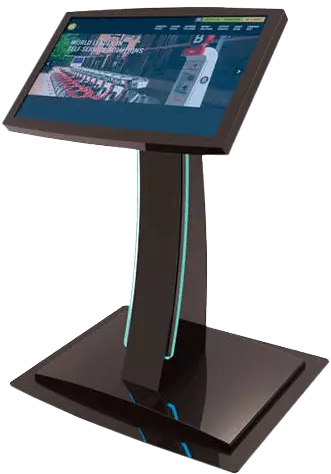
Digital Podium One

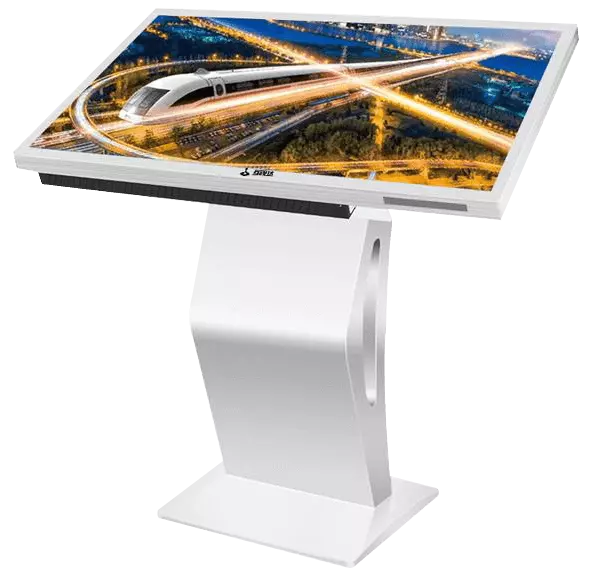
Information Signage Display Kiosk


Fashion touch screen Kiosk

Information Signage Display Kiosk with Best Price in Bangladesh

  • Panel size: customized
  • Aspect ratio: 16:9
  • Max resolution: 1900*1080
  • Dot Pitch: 0.227mm(H)*0.227mm(W)
  • Number Of Color: 16.7M
  • Brightness: 500cd/m2
  • Contrast ratio:1000:1
  • Responsive time: 8ms
  • Panel life: above 50000 hours
  • Logo: customized LED Logo
  • Certificate: FCC, CE, ROHS, IP65
  • Warranty: 1 year

Information Signage Display Kiosk

show commercial advertisement, food picture, video play, product picture.

Fashion touch screen Kiosk

Information Signage Display Kiosk in Bangladesh


1080P HD Display

Support audio formats,1080P full HD loop play, advertising timing loop playing.
Supports timing automatic power-play, automatic shutdown.


Supports Android and window System

Support a variety of android devices remote control, edit content synchronization.
Update, expand business opportunities

32 Inch Information Signage Display Kiosk

Information Signage Display Kiosk with Best Price in Bangladesh


Support 3G Wi-Fi Network

Support 3G wifi network to use, kid to study, playing games, watching video, surfing the internet.

Information Signage Display Kiosk in Bangladesh:

Information Signage Display Kiosk Systems has proudly led the self-service Kiosk industry manufacturing reliable kiosks for a wide variety of markets. Our teams experts are here for one purpose – to make your kiosk Solutions simple and successful. When you choose a kiosk Importer, Distributor, we implement the specific requirements unique to your team’s objectives. Our kiosk engineers, software developers, kiosk software partners, production, and support teams surround the kiosk Solutions, executing closely coordinated parallel R & D paths to cut a clean and efficient course to market. Digital Signage Kiosks are our specialty in Bangladesh. Contact us now to talk about implementing kiosks at your retail store or organization Whole Bangladesh.


What is the price range of VARITO 32 Inch Information Signage Display Kiosk in Germany?

The price range of VARITO 32 Inch Information Signage Display Kiosk in Bangladesh at GCTL from BDT 1,35,000 to BDT 1,95,000. All Kind of Display signage, LED, LCD Display, Android Advertising Kiosk, self-service information kiosk, P6 Billboard are available on Germany Computer and Telecom Ltd.

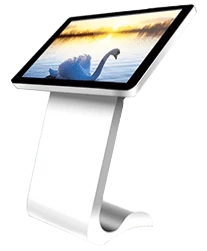
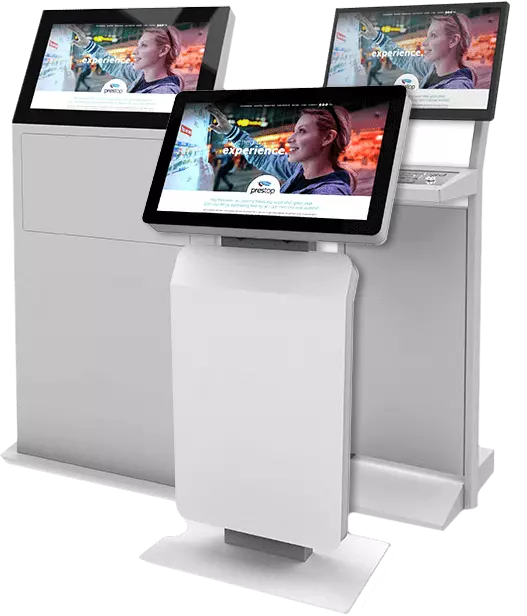
Digital Podium

Digital Podium One

To know more about Super Market Signage Display click learn more.

Digital Podium Two

To know more about Super Market Signage Display click learn more.


Digital Podium Three

To know more about Super Market Signage Display click learn more.

Wall Mount Digital Signage price list in Bangladesh

Items Latest Price
32 Inch Wall Mount Digital Signage Display 45,000 – 65,000
55 Inch Wall Mount Digital Signage Display 65,000 – 1,05,000
22 Inch Touch Wall Mount Digital Signage Display 35,000 – 55,000

Wall Mount Digital Signage kiosk Display

Varito offers a suite of Android and Windows Poe (Power over Ethernet) large screen Digital Signage & kiosk systems for indoors and outdoors. Varito’s range of digital signage solutions include:

  • Indoor & outdoor wall-mountable digital signage displays.
  • Floor stand digital signage displays.
  • Interactive touchscreen digital signage displays.
  • Ceiling mountable digital signage displays.

Solutions range from pc or wall mountable POE Android tablets from 7.5″ to over 55″ displays. Display sizes include 7″, 12.1″, 14″, 15.6″, 21″, 24″, 27″, 32″. Bigger sizes include 43″, 49″ 55″ and 65″, Units can be configurable with the embedded Android Player or USB simple player.

These available units support built-in RJ45/ethernet LAN ports that allow it to connect to the wireline network for reliable network communications. PoE (802.3af/at) option is also recommended for many of these units.

You can install your signage app, or we can provide a cost-effective signage solution that will address your needs. We offer both a single USB based player or a cloud-based solution that allows you to manage multiple signage systems anywhere in the world. With the cloud-based solution, you can create, telecast, and order one too many interactive kiosks located in different sites. 

Using the Online Studio, you can build rich multimedia content smoothly and post it in the cloud. You can install the Player App on the kiosk, connect to the cloud, automatically download your content, and play the content on the Varito signage displays and kiosks located anywhere. You can remotely operate the content being played on the kiosks and get rich reports and statistics on content impressions and viewer interaction.

Please contact GCTL LED to inquire about our services and how we can help you to help expand your business through state-of-the-art digital signage solutions.

What’s new about Varito Andriod Wall Mount Digital Signage Display 

Specifically designed for outdoor/indoor use, this display has all the features which allow it to be used inside/outside. Our products are Sunlight readable. Brightness is key. This display uses ultra-high brightness panels (2,500 cd / m2), which is more than five times brighter than a standard LCD panel to provide easy readability in direct Sunlight when using outdoor digital signage. The glass frontage is also anti-reflective to improve defuse direct Sunlight shining on the display, improving overall clarity

  • Weatherproof- Proper for the harshest outdoor conditions – Designed with a strong, corrosion protected, outer casing to protect both the elements and the public. The outer casing here has an IP65 rating, which means it keeps out all airborne dust, dwarf, and other particles and is protected from wet weather conditions, increasing the range of possible environments.
  • Vandal-proof- The outer casing of this particular display is made from tempered steel and thermally toughened glass. Here, controls and openings are hidden and not accessible by passersby.
  • Plug and play- The outdoor Varito digital advertising displays come with a built-in HD android media player, which will allow you to update them using a USB memory stick then insert it into the show. It will then copy the files into its internal flash memory drive. Once you remove your memory stick, the screen will start playing the pictures and videos in a continuous loop.
  • Orientation- The display you can be mount in either landscape form or portrait form, depending on the app. We also include a complete free wall mounting bracket that actually allows you to install your display in either landscape form or portrait orientation and then lock it in place.

The Main Mounting Options for Varito Android Wall Mount Display Signage

Here are some most common mounting types for Varito wall mount digital android signage, and factors to consider:

  • Flat wall: The most direct mount fastens a display on a wall like an image, but within that particular design, there will often be a need for excellent metalwork and even locking systems that block someone from tampering taking the media player that may be tucked behind. That issue goes away if the media player is embedded, as in Varito’s Smart Signage displays. Another most significant consideration with flat mounts is the Americans with Disabilities Act, which in some cases may need the display to protrude no more than 4 inches from the wall.
  • Tilt wall: These mounts are standard versions of flat, fixed wall mounts, but are designed for scenarios where the screens are placed above the usual line of sight for viewers. A typical case is menu boards at fast food order counters. What’s crucial here are flexible adjustments that allow users to fine-tune the angle, instead of using a preset condition that may not offer the best viewing.
  • Full-motion wall: These are pre systems that pull out based on releases or swing open. In either case, buyers should look for UL-tested products to handle the weight when away from the wall and have adjustments for dazzle and optimal viewing angles. Right commercial products also have things like quick statements instead of more cumbersome units that may require tools.
  • Ceiling mount: These systems typically allow screens to be hung from metal fittings attached to poles attached to ceilings — usually the support beams. End users should be looking for designs that offer variable lengths, options for different harnesses and angles, and UL-rated durability. A display that is falling from a ceiling is an operator’s ordeal and an injury lawyer’s dream.
  • Video wall mounts: These are the technically elaborate mounting systems because they require precision adjustments that align several displays — maybe even dozens. To look great, the bezels (the seams between the screens) need to be minimized, and the junctions where screen corners meet need to be perfectly aligned and flush. As mentioned earlier, servicing access is a huge concern. Often, more massive video walls require custom mounting designs, and several manufacturers have custom divisions. There are also custom mounting system specialists.
  • Outdoor: Outdoor displays introduce many complications, and some of the top mounting manufacturers have outdoor systems that protect against moisture penetrating the enclosures and damaging electronics. Ruggedization also has to be factored to protect against tampering and vandalism, as do pedestals for mounting to plaza floors or sidewalks. Some companies specialize in full outdoor enclosure systems; Samsung has outdoor-rated, high-brightness, plug-and-play display solutions, allowing enclosure manufacturers to interface with purpose-built outdoor signage.


Rental Advertising LED Display

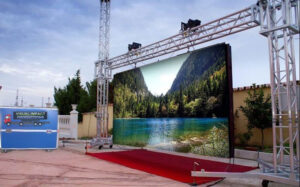
Rental Advertising LED Display, often referred to as an LED advertising screen or LED billboard, is a large-scale digital display technology that employs Light Emitting Diodes (LEDs) to showcase dynamic and visually captivating content. These displays are designed for outdoor or indoor use and are commonly used for advertising, marketing, and promotional purposes. Advertising LED Displays offer a highly effective means of conveying messages to a wide audience, making them an integral part of modern advertising strategies. Let’s explore what an Advertising LED Display is, why it is used, and where it finds applications:

What is a Rental Advertising LED Display?
Rental Advertising LED Display

Rental Advertising LED Display consists of an array of individual LED modules or panels arranged to form a screen. These LED modules emit light when an electrical current passes through them, producing bright and vivid colors. The key components of an Advertising LED Display include:

LED Panels: These are the building blocks of the display, each containing numerous LEDs. The size and resolution of the panels determine the overall display size and pixel density.

Control System: A control system, often connected to a computer, manages the content displayed on the LED screen. It can schedule content, adjust brightness, and monitor the status of the display.

Content Source: Content, including images, videos, animations, and text, is created or prepared for playback on the LED display. It can be stored locally or accessed remotely.

Mounting Structure: Outdoor displays are typically mounted on sturdy frames or structures, while indoor displays can be wall-mounted, ceiling-hung, or integrated into architectural elements.

Why Use an Advertising LED Display?

High Visibility: LED displays are incredibly bright and can be seen even in direct sunlight, making them highly visible and attention-grabbing.

Dynamic Content: Advertisers can showcase dynamic and engaging content, including videos, animations, and real-time updates, to capture audience attention effectively.

Flexibility: LED displays allow for content changes and updates, enabling advertisers to adapt messages quickly in response to market trends or events.

Cost-Effective: Compared to traditional print media, LED displays offer a cost-effective advertising solution over the long term, with reduced printing and distribution expenses.

Energy Efficiency: Modern LED displays are energy-efficient, consuming less power compared to older display technologies, resulting in lower operational costs.

Where Are Advertising LED Displays Used?

Outdoor Advertising: LED billboards along highways, in city centers, and at major intersections are used for outdoor advertising campaigns, promoting products, services, and events.

Retail Environments: Retailers use LED displays inside stores for advertising products, promotions, and brand messaging.

Sports Arenas and Stadiums: Sports venues feature LED displays for displaying advertisements, live game updates, and engaging the audience during sporting events.

Transportation Hubs: Airports, train stations, and bus terminals use LED displays to provide travelers with information on arrivals, departures, and transportation options.

Entertainment Venues: LED displays are commonly found in theaters, concert venues, and amusement parks for promoting upcoming events and concessions.

Corporate Offices: In corporate settings, LED displays are used in lobbies, meeting rooms, and boardrooms for branding, communication, and presentations.

Digital Billboards: LED billboards are often used for digital advertising, allowing advertisers to reach a broad audience with dynamic content.

Healthcare Facilities: Hospitals and clinics use LED displays for patient information, wayfinding, and health education.

Hospitality: Hotels, restaurants, and event venues use LED displays for advertising amenities, menus, and events to guests.

Public Spaces: LED displays in public spaces, like city squares and shopping districts, provide information on local events, news, and public service announcements.

Advertising LED Displays have become integral to modern advertising and marketing strategies due to their ability to convey dynamic, high-impact messages to a broad audience. Their versatility, flexibility, and cost-effectiveness make them a preferred choice for businesses and organizations looking to engage with customers, promote products or services, and enhance brand visibility in a visually compelling manner.

Targeted Advertising: LED displays can incorporate audience recognition technology to deliver targeted advertisements based on the demographics of viewers, enhancing advertising effectiveness.

Real-Time Data Integration: Some LED displays can integrate real-time data, such as weather updates, sports scores, and stock market information, making them valuable for contextual advertising.

Interactive Features: Touchscreen-enabled LED displays allow users to interact with displayed content, providing engaging experiences, such as product exploration and information retrieval.

Geo-Fencing: Advertisers can employ geo-fencing technology to deliver location-specific content and promotions when users are in proximity to the LED display.

Mobile Integration: QR codes or NFC technology integrated into LED advertisements can enable viewers to access additional information or special offers via their mobile devices.

Dynamic Scheduling: LED displays can schedule content to change at specific times of the day or in response to external events, ensuring maximum impact and relevance.

Content Management Systems: Cloud-based content management systems enable remote content updates and monitoring, streamlining the management of multiple displays.

Sustainability: Energy-efficient LED displays and the use of recycled materials in their construction align with sustainability goals and environmental considerations.

Augmented Reality (AR): Emerging AR capabilities in LED displays can overlay digital information on the physical environment, creating immersive advertising experiences.

Transparent LED Displays: Transparent LED displays are gaining popularity for their ability to display content while allowing viewers to see through the screen, making them suitable for storefronts and exhibits.

Curved LED Displays: Curved LED screens provide unique visual appeal and are used in architectural applications, immersive experiences, and trade show booths.

Mobile LED Advertising Trucks: LED screens mounted on mobile vehicles, such as trucks or trailers, can bring dynamic advertising to various locations and events.

3D LED Displays: Three-dimensional LED displays create visually stunning effects by layering LED panels to add depth and perspective to content.

High Resolution and Pixel Density: Advancements in LED technology have led to displays with higher resolutions and pixel densities, enabling crisp and detailed visuals.

Social Media Integration: LED displays can integrate with social media platforms, displaying user-generated content, hashtags, and live social media feeds.

Multi-Language Support: To reach diverse audiences, LED displays often support multiple languages, enabling content to be displayed in viewers’ preferred languages.

Emergency Messaging: In times of emergencies or crises, LED displays can be used to relay critical information and instructions to the public.

Data Analytics: Advertisers can collect data on viewer interactions and engagement with LED advertisements to refine content and strategies.

Health and Safety Messaging: LED displays are used to convey health and safety messages, such as COVID-19 protocols and safety reminders in public spaces.

Integration with IoT: Integration with the Internet of Things allows LED displays to display real-time data from connected devices and sensors, providing valuable information to viewers.

As technology continues to advance, Advertising LED Displays remain at the forefront of modern advertising and communication. Their ability to deliver visually engaging and interactive content, combined with the potential for targeted advertising and real-time data integration, ensures that they will continue to play a pivotal role in advertising and information dissemination across various industries and environments.

Virtual Reality (VR) Integration: As VR technology continues to advance, there is potential for Advertising LED Displays to incorporate VR experiences, allowing viewers to immerse themselves in interactive advertisements.

Integration with AI: Artificial intelligence can be utilized to analyze viewer demographics and behavior, enabling LED displays to deliver personalized and context-aware advertising content.

Gamification: LED displays can incorporate gamification elements, encouraging viewers to engage with ads through interactive games, quizzes, and contests.

Storytelling and Narrative: Advertisers are increasingly using LED displays to tell compelling stories and narratives that resonate with viewers emotionally, creating a deeper connection with brands and products.

Mobile App Integration: Some LED displays allow viewers to interact with content via a dedicated mobile app, enhancing user engagement and providing additional information and offers.

Programmatic Advertising: Programmatic advertising platforms can optimize ad placements on LED displays in real time, ensuring that the right ads are displayed to the right audience at the right moment.

Energy Efficiency Improvements: Ongoing developments in LED technology aim to improve energy efficiency even further, reducing operating costs and environmental impact.

Integration with Smart Cities: In smart city initiatives, LED displays can serve as information hubs, delivering real-time updates on transportation, events, and city services.

Gesture Control: Some LED displays can be equipped with gesture recognition technology, allowing users to interact with content using hand gestures and movements.

Art Installations: LED displays are increasingly being used as digital art installations in public spaces, museums, and galleries, blurring the lines between art and advertising.

Multisensory Experiences: Future LED displays may incorporate additional sensory elements, such as scent and haptic feedback, to create multisensory advertising experiences.

Privacy and Data Protection: As LED displays collect user data, privacy and data protection measures will continue to be a focus, ensuring compliance with regulations and user consent.

Integration with E-commerce: Viewers may be able to make purchases directly from LED displays, enabling impulse buying and direct conversions from advertising.

Customization and Personalization: Advertisers will increasingly tailor content to individual viewer preferences, ensuring that advertising messages are relevant and engaging.

Integration with Wearables: LED displays could integrate with wearable devices, providing location-based and personalized advertising content to users on the go.

Rental Advertising LED Displays are at the forefront of innovation in the advertising industry, continually adapting to incorporate emerging technologies and meet the evolving demands of advertisers and audiences. Whether used for traditional outdoor billboards, immersive experiences in retail stores, or interactive storytelling in public spaces, these displays remain a powerful tool for brands and marketers to connect with consumers in compelling and meaningful ways. The future of Advertising LED Displays holds exciting possibilities for even more dynamic and engaging advertising campaigns.

Portable Digital Signage Displays Poster

Portable Digital Signage Display Poster, often referred to as a portable digital poster or digital signage kiosk, is a compact, freestanding display unit equipped with a digital screen for showcasing dynamic content and information. These portable units are designed for easy mobility and can be placed in various locations to engage audiences, deliver marketing messages, and provide information in a visually appealing and interactive manner. Portable Digital Signage Display Posters offer flexibility and versatility, making them suitable for a wide range of applications. Let’s explore what a Portable Digital Signage Display Poster is, why it is used, and where it finds applications:

What is a Portable Digital Signage Display Poster?

A Portable Digital Signage Display Poster typically includes the following key elements:

  • Digital Display: The poster features an LCD or LED screen that can showcase multimedia content, including videos, images, text, and animations.
  • Touchscreen Interface: Some portable posters come with touchscreen functionality, allowing users to interact with the displayed content.
  • Media Player: A built-in media player or computer controls and plays the digital content on the screen.
  • Power Supply: Portable posters are powered either by an internal battery or an external power source, depending on their design and mobility.
  • Connectivity Options: They may include connectivity options like Wi-Fi, Ethernet, USB ports, and Bluetooth for content updates and interactivity.
  • Durability and Mobility: These posters are designed to be lightweight, durable, and easily transportable, often featuring wheels or handles for mobility.

Why Use a Portable Digital Signage Display Poster?

  • Flexibility: Portable digital posters offer flexibility in terms of placement, allowing users to move them to high-traffic areas or events as needed.
  • Engagement: They captivate and engage audiences with dynamic and visually appealing content, increasing message retention and brand awareness.
  • Interactivity: Touchscreen-enabled posters enable users to interact with content, making them suitable for information kiosks, surveys, and product catalogs.
  • Real-Time Updates: Content can be updated remotely, ensuring that information remains current and relevant.
  • Cost-Efficiency: Compared to traditional printed posters, portable digital posters eliminate printing and distribution costs while offering greater versatility.

Where Are Portable Digital Signage Display Posters Used?

Retail: Retailers use portable digital posters for in-store advertising, promotions, product showcases, and interactive product catalogs.

Events and Trade Shows: Portable posters are common at events and trade shows, providing exhibitors with a dynamic platform to showcase products and services.

Hospitality: Hotels and resorts use these posters in lobbies and common areas to display guest information, event schedules, and local attractions.

Restaurants and Cafes: In the food industry, portable posters serve as digital menus, displaying food options, prices, and high-quality images.

Corporate Settings: Businesses use them in reception areas, conference rooms, and employee break areas to share corporate announcements, news, and event information.

Healthcare: Hospitals and medical facilities deploy portable digital posters for patient education, wayfinding, and health information.

Education: Educational institutions use them in classrooms and libraries for interactive learning materials, event promotions, and campus information.

Public Transportation: Transit agencies use portable posters at transportation hubs and stations to provide real-time schedules, service updates, and safety information.

Museums and Cultural Institutions: Museums and galleries use portable digital posters for interactive exhibits, visitor information, and guided tours.

Automotive Showrooms: Car dealerships utilize portable posters to showcase vehicle features, specifications, and customization options.

Entertainment: The entertainment industry uses portable digital posters for movie promotions, concert announcements, and interactive games in theaters and venues.

Travel and Tourism: Travel agencies and tourism centers use portable posters to provide travelers with destination information, itineraries, and booking options.

Portable Digital Signage Display Posters are versatile tools that enhance communication, engagement, and information sharing across a wide range of industries and settings. Their portability, interactivity, and ability to deliver dynamic content make them valuable assets for businesses and organizations looking to capture and retain audience attention.

Public Spaces: Portable digital posters are used in public spaces, such as city centers, parks, and transportation terminals, to provide community announcements, event promotions, and wayfinding information.

Real Estate: Real estate agencies employ portable digital posters in their offices and at property listings to showcase images, videos, and virtual tours of properties for sale or rent.

Banking and Financial Services: Banks and financial institutions utilize portable posters to inform customers about banking services, investment opportunities, and financial literacy resources.

Tourism and Destination Marketing: Tourism boards and destination marketers use portable digital posters to attract tourists with captivating videos and images of scenic locations, cultural events, and activities.

Wayfinding and Navigation: In large complexes, such as malls, airports, and hospitals, portable posters assist visitors with interactive maps, directions, and points of interest.

Product Launches and Promotions: Businesses use portable digital posters at product launch events, trade shows, and promotional campaigns to create buzz and engage attendees.

Employee Training: Organizations use portable digital posters for employee training, providing interactive instructional content and compliance information.

Government Services: Government agencies deploy portable posters in public buildings to inform citizens about government programs, services, and initiatives.

Restaurants and Food Trucks: Food establishments, including restaurants and food trucks, use portable digital posters to display menus, prices, and daily specials.

Advertising Networks: Digital signage networks consist of multiple portable posters strategically placed in various locations, providing advertisers with a platform to reach a wider audience.

Educational Workshops: Educational workshops and training sessions use portable digital posters to engage participants with interactive learning materials and event details.

Trade and Craft Shows: Craftsmen and artisans at trade and craft shows use portable digital posters to showcase their creations and attract potential customers.

Emergency Alerts: In emergency situations, portable digital posters can display critical information and safety instructions to the public.

Art Galleries: Art galleries use portable posters to display information about artworks, artists, and upcoming exhibitions in an engaging and visually appealing way.

Charity and Fundraising Events: Nonprofit organizations use portable digital posters to raise awareness, share success stories, and encourage donations at fundraising events.

Hotel Concierge: In hotel lobbies, portable digital posters act as digital concierge services, providing guests with information about local attractions, dining options, and hotel amenities.

Public Awareness Campaigns: Government agencies and advocacy groups use portable posters for public awareness campaigns on topics such as health, safety, and social issues.

Event Information: Portable digital posters at events like weddings, conferences, and conventions provide attendees with event schedules, speaker bios, and session details.

Portable Digital Signage Display Posters are valuable tools for enhancing communication, engagement, and information dissemination across diverse industries and settings. Their mobility and ability to deliver multimedia content make them effective in capturing attention and conveying messages in a visually compelling manner. As technology continues to advance, portable posters may incorporate additional features such as augmented reality (AR) and enhanced interactivity, further expanding their applications and impact.

Interactive Wayfinding: Advanced portable digital posters can provide interactive wayfinding features that help users navigate complex environments like airports, hospitals, and large event venues with ease.

Environmental Sustainability: Many organizations are adopting portable digital posters as an eco-friendlier alternative to traditional printed signage, reducing paper waste and environmental impact.

Social Media Integration: Some portable posters allow users to interact with and share content on social media platforms, extending the reach of promotional messages and events.

Data Analytics: Integrated analytics tools enable businesses and event organizers to gather data on user interactions, helping them refine content strategies and understand user preferences.

Remote Content Management: With cloud-based content management systems, users can remotely update and schedule content across multiple portable digital posters from a central location.

Multiscreen Displays: Some portable digital posters support multiscreen setups, creating immersive visual experiences and storytelling opportunities in retail and entertainment contexts.

Mobile Device Integration: Portable posters can interact with users’ mobile devices via QR codes or NFC technology, offering additional information or promotional offers when users scan or tap their phones.

Personalization: Content can be tailored to specific demographics, seasons, or events, allowing for personalized marketing campaigns and more targeted messaging.

Gaming and Interactive Experiences: Portable digital posters can incorporate interactive games and quizzes to engage and entertain users, particularly in trade show booths and entertainment venues.

3D and Augmented Reality (AR): As AR technology advances, portable posters may integrate AR elements that provide immersive experiences and enhance product visualization.

Enhanced Security: Security features, such as remote device locking and content access control, ensure the integrity and security of the displayed content.

Enhanced Audio: Some portable digital posters come equipped with high-quality speakers to deliver audio content, adding an additional sensory dimension to the user experience.

QR Code Payments: Beyond information sharing, portable posters may support QR code payments, allowing users to make payments directly through the kiosk for products or services.

Integration with IoT Devices: Integration with Internet of Things (IoT) devices allows portable posters to display real-time data from sensors, such as weather conditions or stock market updates.

User Feedback and Surveys: Portable digital posters can collect user feedback and conduct surveys, helping organizations gather valuable insights and feedback from their target audience.

The evolution of technology and the increasing demand for dynamic and interactive content continue to drive innovation in the field of Portable Digital Signage Display Posters. As these posters become more versatile, customizable, and integrated with emerging technologies, they will remain instrumental in enhancing communication, engagement, and user experiences in a wide range of environments and industries. Whether it’s for marketing, information sharing, entertainment, or education, portable digital posters offer a dynamic and impactful way to connect with audiences.

Self Service Payment Kiosk Display

Self-Service Payment Kiosk Display is a specialized interactive kiosk system designed to facilitate payment transactions without the need for human intervention. These kiosks typically feature touchscreen interfaces and secure payment processing capabilities, allowing users to make payments for various products and services independently. Self-Service Payment Kiosk Displays are used to streamline payment processes, enhance customer convenience, and reduce waiting times. Let’s explore what a Self-Service Payment Kiosk Display is, why it is used, and where it finds applications:

What is a Self-Service Payment Kiosk Display?

A Self-Service Payment Kiosk Display typically includes the following key components:

  • Touchscreen Interface: The kiosk is equipped with a user-friendly touchscreen interface that guides users through the payment process.
  • Payment Processing Hardware: It features secure payment processing hardware, such as card readers, EMV chip card readers, NFC (Near Field Communication) technology for mobile payments, and cash receptors.
  • Printer: Some kiosks have built-in receipt printers to provide users with transaction receipts.
  • Barcode Scanner: For certain applications, such as bill payment, barcode scanners may be included to scan payment-related documents or barcodes.
  • Enclosure: The kiosk is housed within a durable and secure enclosure to protect the components and ensure the safety of users’ transactions.
  • Connectivity Options: Self-Service Payment Kiosk Displays typically have network connectivity options (e.g., Wi-Fi, Ethernet) for real-time transaction processing and remote monitoring.

Why Use a Self-Service Payment Kiosk Display?

  • Efficiency: These kiosks streamline payment processes, allowing customers to make payments quickly and conveniently, reducing waiting times and enhancing operational efficiency.
  • Customer Convenience: Self-service payment kiosks offer users the flexibility to make payments at their own convenience, 24/7, without having to wait in long lines or during non-business hours.
  • Reduced Human Error: By automating payment processes, self-service kiosks reduce the potential for human errors in manual payment transactions.
  • Cost Savings: Businesses and organizations can reduce labor costs by deploying self-service payment kiosks, as they require minimal staff supervision.
  • Improved User Experience: Self-service kiosks provide a user-friendly interface that simplifies the payment process, making it more accessible for a wide range of users.

Where Are Self-Service Payment Kiosk Displays Used?

Retail: Retailers use self-service payment kiosks for customers to make in-store payments for purchases, utility bills, and layaway plans.

Bill Payment Centers: Bill payment kiosks are deployed in various locations, including utility company offices and retail outlets, allowing customers to pay bills for utilities, cable, phone services, and more.

Financial Institutions: Banks and credit unions utilize self-service payment kiosks for loan payments, credit card payments, and account deposits.

Parking Facilities: Parking lots and garages deploy self-service payment kiosks to facilitate parking fee payments.

Healthcare: Hospitals and medical clinics use self-service payment kiosks for patients to make co-pays, cover medical expenses, and settle bills.

Government Services: Government agencies implement self-service payment kiosks for citizens to pay fines, taxes, and fees, as well as renew licenses and permits.

Transportation: Public transportation systems, including buses and subway systems, have self-service payment kiosks for ticket purchases and fare payments.

Entertainment Venues: Movie theaters, theme parks, and concert venues use self-service payment kiosks for ticket sales and concessions.

Hospitality: Hotels and resorts may have self-service payment kiosks for guests to settle room charges, spa services, and restaurant bills.

Educational Institutions: Colleges and universities deploy self-service payment kiosks for students to pay tuition fees, housing expenses, and other educational costs.

Self-Service Payment Kiosk Displays are valuable tools for businesses and organizations seeking to improve payment processes, enhance customer satisfaction, and optimize operational efficiency. As technology continues to advance, these kiosks may incorporate additional features, such as biometric authentication and mobile wallet integration, to further enhance security and convenience for users.

Food and Beverage: Restaurants, cafeterias, and fast-food establishments implement self-service payment kiosks to enable customers to place orders, customize meals, and make payments at their own pace.

Self-Checkout in Retail: Many retail stores offer self-service checkout kiosks, allowing shoppers to scan and pay for their items without assistance from store staff.

Car Rental and Car Wash: In the automotive industry, self-service payment kiosks are used for car rental payments, car wash fees, and parking fees at rental lots.

Self-Service Check-In: Airlines and hotels utilize self-service payment kiosks for travelers to check in, select seats, and make additional purchases like baggage fees and upgrades.

Vending Machines: Modern vending machines often incorporate self-service payment kiosks, accepting various forms of payment, including credit cards and mobile payments.

Self-Service Tax Filing: Tax preparation services offer self-service payment kiosks for clients to pay their tax bills and associated fees.

Self-Service Printing: Printing and document centers deploy self-service payment kiosks for customers to print, copy, and scan documents, paying for these services through the kiosk.

Parking Ticket Payment: Municipalities and parking authorities use self-service payment kiosks for citizens to pay parking fines and fees conveniently.

Gaming and Entertainment: Casinos and gaming establishments provide self-service payment kiosks for patrons to load gaming credits and cash out their winnings.

Charity and Donation Kiosks: Nonprofits and charitable organizations place self-service payment kiosks in high-traffic areas to collect donations for various causes.

Theme Park and Amusement Park Payments: Theme parks use self-service payment kiosks for ticket purchases, season pass renewals, and locker rentals.

Membership Renewal: Gyms, clubs, and membership-based organizations offer self-service kiosks for members to renew subscriptions and pay dues.

Prepaid Card Reloads: Kiosks enable customers to reload prepaid cards for services like mobile phones, transit, and gift cards.

Event Registration: At conferences and trade shows, self-service payment kiosks are used for attendee registration and payment processing for conference fees.

Self-Service Ordering for Takeout and Delivery: Restaurants and food delivery services deploy self-service payment kiosks for customers to place orders and make payments for takeout and delivery.

Library Fine Payment: Libraries use self-service payment kiosks for patrons to settle fines, fees, and printing charges.

Retail Returns and Refunds: Retailers with flexible return policies may offer self-service kiosks for customers to process returns and receive refunds.

Government Services: Government agencies use self-service payment kiosks for citizens to pay for various government services, including permits, licenses, and fines.

Self-Service Bike and Scooter Rentals: In urban areas, self-service payment kiosks facilitate bike and scooter rentals for short-distance transportation.

Hotel Express Checkout: Some hotels offer express checkout through self-service payment kiosks, allowing guests to settle their bills quickly.

Self-Service Payment Kiosk Displays continue to gain popularity across a wide range of industries and sectors due to their ability to enhance customer convenience, reduce transaction time, and improve overall operational efficiency. These kiosks are evolving with technology trends, including contactless payment options, mobile wallet integration, and advanced security features, making them even more versatile and valuable in various payment scenarios.

Contactless and Mobile Payments: With the increasing popularity of contactless payment methods and mobile wallets like Apple Pay and Google Pay, self-service payment kiosks are adapting to offer these convenient and secure payment options.

Receipt Options: Many self-service payment kiosks allow users to choose their preferred receipt delivery method, such as email or text message, reducing paper waste and providing a digital record of the transaction.

Enhanced Security Measures: Kiosk providers are continually improving security features, including encryption and tokenization, to safeguard user payment data and protect against fraud.

Integration with Loyalty Programs: Some self-service payment kiosks offer integration with loyalty and rewards programs, allowing customers to earn points, discounts, or special offers with their transactions.

Self-Service Account Management: Beyond payments, these kiosks are expanding to offer users the ability to manage their accounts, view transaction history, and update personal information.

User Analytics: Businesses and organizations are leveraging data analytics to gain insights into user behavior and preferences, enabling them to optimize kiosk placement and content strategies.

Self-Service Ordering for Customization: In the food industry, self-service payment kiosks enable customers to customize their orders, from burger toppings to coffee preferences, enhancing the dining experience.

Interactive Advertising: Self-service payment kiosks can display targeted advertisements and promotions, generating additional revenue for businesses and providing users with relevant offers.

Remote Monitoring and Support: Kiosk operators can remotely monitor the performance of self-service payment kiosks, diagnosing issues and performing maintenance without the need for on-site visits.

Integration with Inventory Management: In retail environments, kiosks can be integrated with inventory management systems, allowing users to check product availability and place orders for out-of-stock items.

Queue Management: Self-service payment kiosks with queue management features enable users to join virtual queues, reducing physical wait times and enhancing the overall customer experience.

Compliance with Regulatory Standards: Kiosk providers are staying up-to-date with regulatory standards, such as PCI DSS (Payment Card Industry Data Security Standard), to ensure secure payment processing.

Multilingual Support: To cater to diverse user populations, self-service payment kiosks often offer multilingual support, allowing users to select their preferred language for the transaction.

Integration with E-commerce: Some businesses use self-service payment kiosks as an extension of their e-commerce platforms, providing customers with an additional payment channel.

Integration with CRM Systems: Integration with Customer Relationship Management (CRM) systems allows businesses to track customer interactions and tailor their offerings accordingly.

As self-service payment kiosk technology continues to evolve, businesses and organizations are finding innovative ways to leverage these solutions to enhance customer experiences, reduce operational costs, and drive revenue growth. Whether it’s in traditional retail settings, the food industry, healthcare, or various other sectors, self-service payment kiosks are becoming increasingly integral to modern payment and service delivery processes.

Outdoor Digital Signage Display Kiosk

Outdoor Digital Signage Display Kiosk is a rugged and weather-resistant digital display system designed for outdoor use. These kiosks are equipped with high-brightness screens, protective enclosures, and environmental controls to ensure reliable performance in various weather conditions. Outdoor Digital Signage Display Kiosks are employed to communicate information, advertise products or services, and engage with audiences in outdoor environments. Let’s explore what an Outdoor Digital Signage Display Kiosk is, why it is used, and where it finds applications:

What is an Outdoor Digital Signage Display Kiosk?

An Outdoor Digital Signage Display Kiosk typically comprises the following key elements:

  • High-Brightness Display: These kiosks feature high-brightness LCD or LED displays with anti-glare and anti-reflective coatings, ensuring visibility in bright sunlight.
  • Protective Enclosure: The display is enclosed within a rugged and sealed casing, often made of corrosion-resistant materials, to shield it from the elements, including rain, snow, dust, and vandalism.
  • Cooling and Heating Systems: Outdoor kiosks are equipped with heating and cooling systems to maintain optimal operating temperatures in extreme weather conditions.
  • Media Player: A built-in media player or computer controls and delivers digital content to the display, allowing for the presentation of videos, images, text, and interactive applications.
  • Security Features: Outdoor kiosks may include security measures, such as locks and tamper-resistant designs, to protect against unauthorized access and theft.
  • Connectivity Options: They offer connectivity options, including Wi-Fi, Ethernet, and cellular networks, for remote content updates and monitoring.

Why Use an Outdoor Digital Signage Display Kiosk?

  • Visibility: High-brightness displays ensure content remains visible even in direct sunlight, making them suitable for outdoor advertising and information dissemination.
  • Durability: Outdoor kiosks are built to withstand harsh weather conditions, including rain, snow, extreme temperatures, and UV exposure.
  • Engagement: They engage audiences with dynamic and attention-grabbing digital content, making them effective for advertising, promotions, and information sharing.
  • Real-Time Updates: Content can be updated remotely, allowing for real-time information dissemination and the ability to change content based on current events or promotions.
  • Convenience: Outdoor kiosks provide self-service options for tasks like ticket purchasing, wayfinding, and product browsing, enhancing user convenience.

Where Are Outdoor Digital Signage Display Kiosks Used?

  1. Retail: Retailers use outdoor kiosks for sidewalk advertising, product promotions, and providing store information to passersby.
  2. Transportation Hubs: Airports, bus stations, and train stations deploy outdoor kiosks for displaying schedules, wayfinding, and providing traveler information.
  3. Hospitality: Hotels and resorts use outdoor kiosks to showcase amenities, local attractions, and event listings to guests.
  4. Fast-Food and Drive-Thru: Fast-food restaurants employ outdoor kiosks for digital menus, ordering, and payment processing in drive-thru lanes.
  5. Amusement Parks: Outdoor kiosks at amusement parks offer ride information, maps, and interactive experiences for park visitors.
  6. Automotive Dealerships: Car dealerships use outdoor kiosks to showcase vehicle inventory, specifications, and financing options.
  7. Healthcare: Hospitals and medical facilities utilize outdoor kiosks for wayfinding, appointment check-ins, and health information.
  8. Events and Festivals: Outdoor events and festivals use kiosks to provide event schedules, maps, and interactive experiences for attendees.
  9. Tourism: Tourist destinations and visitor centers deploy outdoor kiosks to offer tourists maps, guides, and information about local attractions.
  10. Public Spaces: Outdoor kiosks in public parks, plazas, and city centers provide public information, event announcements, and interactive maps.

Outdoor Digital Signage Display Kiosks are essential tools for outdoor advertising, information sharing, and enhancing user experiences in various public and commercial settings. Their ability to withstand challenging weather conditions while delivering captivating and dynamic content makes them valuable assets for engaging with audiences outdoors. As technology continues to advance, outdoor kiosks are likely to become even more versatile and capable, expanding their applications and benefits.

  1. Stadiums and Arenas: Sports stadiums and arenas deploy outdoor kiosks for displaying real-time scores, live game updates, and advertising during sporting events and concerts.
  2. Public Transportation: Outdoor kiosks at bus stops, subway stations, and transit hubs provide commuters with real-time transportation schedules, service alerts, and wayfinding assistance.
  3. Advertising Billboards: Outdoor Digital Signage Display Kiosks serve as interactive advertising billboards in high-traffic areas, delivering dynamic and eye-catching content to passersby.
  4. Campus Wayfinding: Educational institutions use outdoor kiosks to help students and visitors navigate sprawling campuses, providing maps, event information, and directory services.
  5. Tourism Information: In tourist-heavy areas, outdoor kiosks offer travelers information about local attractions, historical sites, dining options, and upcoming events.
  6. Digital Menus: Restaurants with outdoor seating use outdoor kiosks as digital menus, allowing diners to browse the menu, place orders, and make payments without the need for paper menus.
  7. Emergency Alerts: Outdoor kiosks can serve as emergency alert systems, displaying important safety messages and instructions during natural disasters or public emergencies.
  8. National and State Parks: Parks and recreational areas deploy outdoor kiosks to provide visitors with trail maps, safety information, and wildlife viewing guides.
  9. Trade Shows and Exhibitions: Outdoor events and trade shows use outdoor kiosks to engage attendees with interactive exhibits, event schedules, and exhibitor information.
  10. Ticketing and Admission: Outdoor venues, such as zoos, botanical gardens, and amusement parks, use outdoor kiosks for ticketing, admission processing, and membership sales.
  11. Real-Time Weather Updates: Outdoor kiosks can display real-time weather updates and forecasts, providing valuable information to the public.
  12. Digital Wayfinding: In urban areas, outdoor kiosks offer digital wayfinding services, guiding pedestrians to nearby landmarks, transit options, and points of interest.
  13. Safety and Health Information: During health crises, outdoor kiosks can provide public health information, safety guidelines, and vaccination center locations.
  14. Remote Control: Some outdoor kiosks are equipped with remote control features, allowing operators to adjust content, brightness, and other settings from a central location.
  15. Sustainability: Outdoor kiosks can contribute to sustainability efforts by replacing traditional printed signage with dynamic digital displays, reducing paper waste.

The adaptability of Outdoor Digital Signage Display Kiosks to diverse outdoor settings, from urban centers to natural landscapes, continues to make them valuable tools for communication, advertising, information sharing, and enhancing user experiences in outdoor environments. As technology advances, these kiosks are expected to offer even more interactive features, such as touchless interfaces and augmented reality (AR) elements, further expanding their applications and relevance.

  1. Customization and Branding: Outdoor kiosks are often customizable to match the branding and aesthetics of the location or business they serve. This customization enhances their integration into the environment and reinforces brand identity.
  2. Energy Efficiency: As sustainability becomes a focus, outdoor kiosks are being designed with energy-efficient features, such as LED displays and motion sensors that dim or turn off the screen when not in use, reducing energy consumption.
  3. Mobile Integration: Many outdoor kiosks now incorporate QR code scanning and mobile app integration, enabling users to interact with kiosk content using their smartphones. This adds an extra layer of engagement and convenience.
  4. Data Analytics: Outdoor kiosks can collect data on user interactions, such as the most frequently accessed content and user demographics. This data is valuable for businesses and organizations to refine their content strategies and tailor offerings to user preferences.
  5. Multilingual Support: To cater to diverse audiences, outdoor kiosks often include multilingual support, allowing users to select their preferred language for content interaction.
  6. Accessibility Features: To ensure inclusivity, outdoor kiosks are equipped with accessibility features like screen readers, adjustable fonts, and tactile interfaces for users with disabilities.
  7. Remote Monitoring and Maintenance: Remote monitoring capabilities enable operators to track the status and performance of outdoor kiosks, allowing for proactive maintenance and content updates without the need for on-site visits.
  8. Touchless Interfaces: In response to health and hygiene concerns, touchless interfaces using gestures, voice commands, or mobile app control are becoming more prevalent in outdoor kiosks.
  9. Augmented Reality (AR): The integration of AR elements into outdoor kiosks offers users immersive and interactive experiences, such as virtual tours, product demonstrations, and gamified content.
  10. Outdoor Advertising Networks: Some outdoor kiosk providers offer advertising networks that allow businesses to display their ads on a network of kiosks strategically placed in high-traffic areas.
  11. Real-Time Data Integration: Outdoor kiosks are increasingly being used to display real-time data, such as traffic updates, weather forecasts, and news headlines, keeping users informed.
  12. E-commerce Integration: In retail and hospitality, outdoor kiosks can facilitate e-commerce transactions, enabling customers to browse and purchase products or services directly from the kiosk.
  13. Social Media Integration: Kiosks may integrate with social media platforms, enabling users to share content, check-in, or engage with brands and events on social networks.
  14. Interactive Maps: Outdoor kiosks equipped with interactive maps and GPS functionalities offer users precise directions, points of interest, and nearby businesses.
  15. Public Wi-Fi Access: Some outdoor kiosks provide public Wi-Fi access, enhancing the connectivity options available to users in public spaces.

The continuous evolution of technology and user expectations drives innovation in Outdoor Digital Signage Display Kiosks. As they become smarter, more interactive, and energy-efficient, they will continue to play a pivotal role in enhancing outdoor communication, advertising, and user engagement across a wide range of industries and outdoor environments.